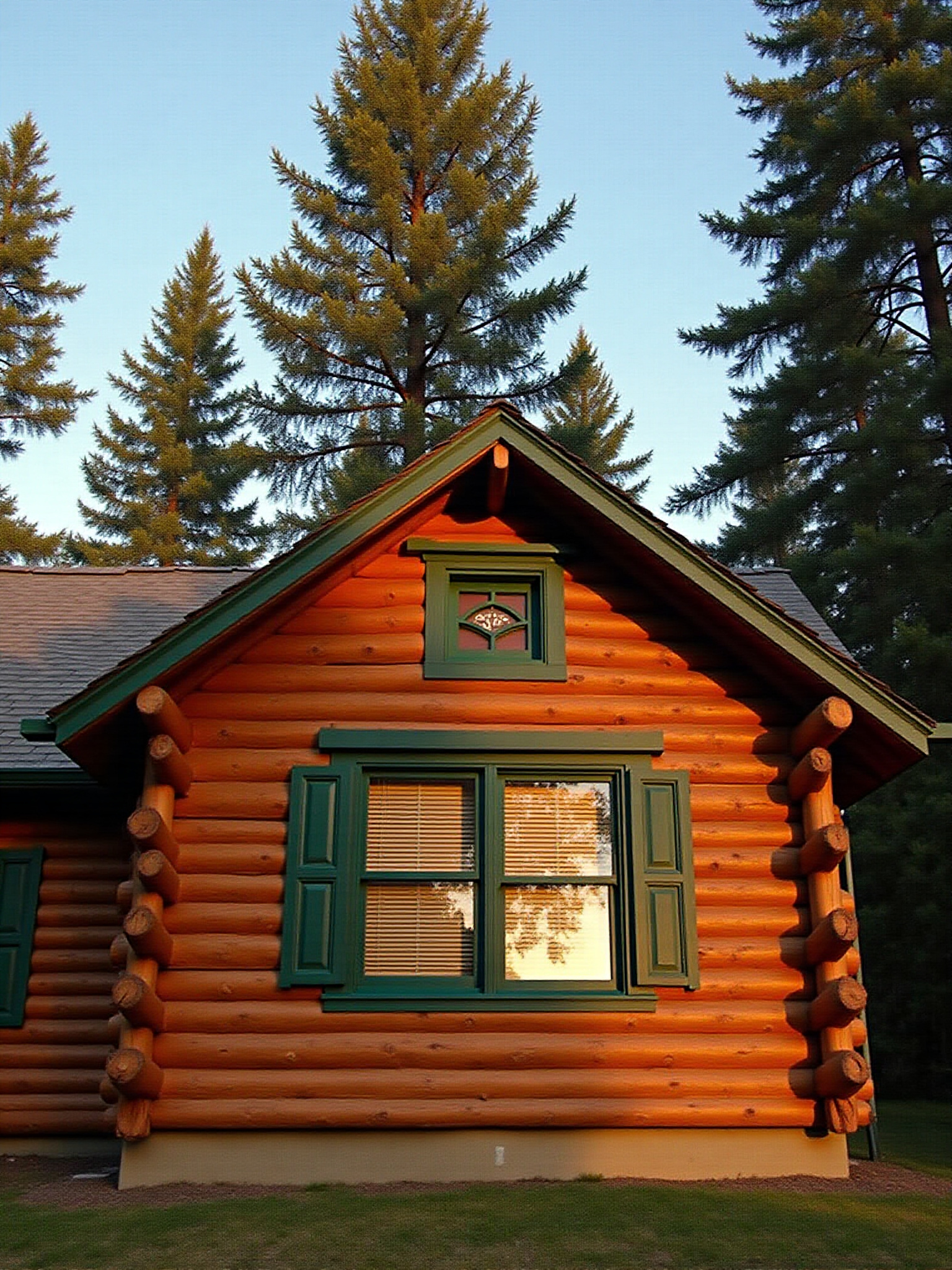
Log Cabin Upkeep & Maintenance
Our Vision
With over 20 years of experience, we specialize in log cabin renovations.
Based on the unique structure of log homes, "maintenance" usually falls into two categories: tasks you do most frequently (to prevent damage) and areas that fail the fastest (if neglected).
The part of a log cabin that needs the most maintenance is the exterior finish (stain and sealant), but the area that is most critical to watch is the "Splash Zone" (the bottom logs).
Here is the breakdown of the places and parts that demand the most attention.
1. The "Splash Zone" (Bottom Logs)
The bottom 2–3 courses of logs are the highest-risk area on the entire cabin.
-
Why: Rainwater hitting the ground or a deck splashes back onto these logs, keeping them perpetually damp. Snow also piles up against them.
-
The Maintenance: You must keep these logs clear of dirt, mulch, and snow. They often require re-staining more frequently than the upper logs because the finish wears off faster from water abrasion.
-
Risk: If you ignore this area, this is where rot will start 90% of the time.
-
2. Log Ends (The Crowns)
The cut ends of the logs (where the rings are visible), typically found at the corners of the house.
-
Why: Wood capillaries run lengthwise (like a bundle of straws). The cut ends suck up moisture 10x faster than the smooth sides of the log.
-
The Maintenance: These spots need to be saturated with a special end-grain sealant or extra coats of stain. You should inspect these annually for softness or dark spots.
-
3. South and West-Facing Walls (UV Damage)
While water rots wood, the sun destroys the finish that protects it.
-
Why: The walls facing South and West get the most intense UV radiation. This UV light breaks down the lignin (the glue holding wood fibers together) and peels your stain.
-
The Maintenance: You will likely need to re-stain these walls every 2–3 years, whereas the shaded North side might last 5 years. You cannot treat the whole house on the same schedule; these "sunny sides" are high-maintenance zones.
-
4. Upward-Facing "Checks"
"Checks" are the natural cracks that form as logs dry.
-
Why: Checks are normal, but any crack on the top curve of a log acts as a cup that collects rain and snow. It holds water directly against the core of the log.
-
The Maintenance: You must inspect these annually. Any upward-facing check wider than 1/4 inch needs to be filled with a specialized log home caulk (not hardware store silicone) to keep water out.
-
5. Joints and Chinking
The material (mortar or synthetic sealant) between the log courses.
-
Why: Logs move. They expand in humid summers and shrink in dry winters. This movement eventually tears the sealant or pulls it away from the wood.
-
The Maintenance: This requires an annual "walk-around" inspection. You are looking for hairline cracks or gaps where the sealant has separated. A small gap here lets in water and cluster flies/insects immediately.
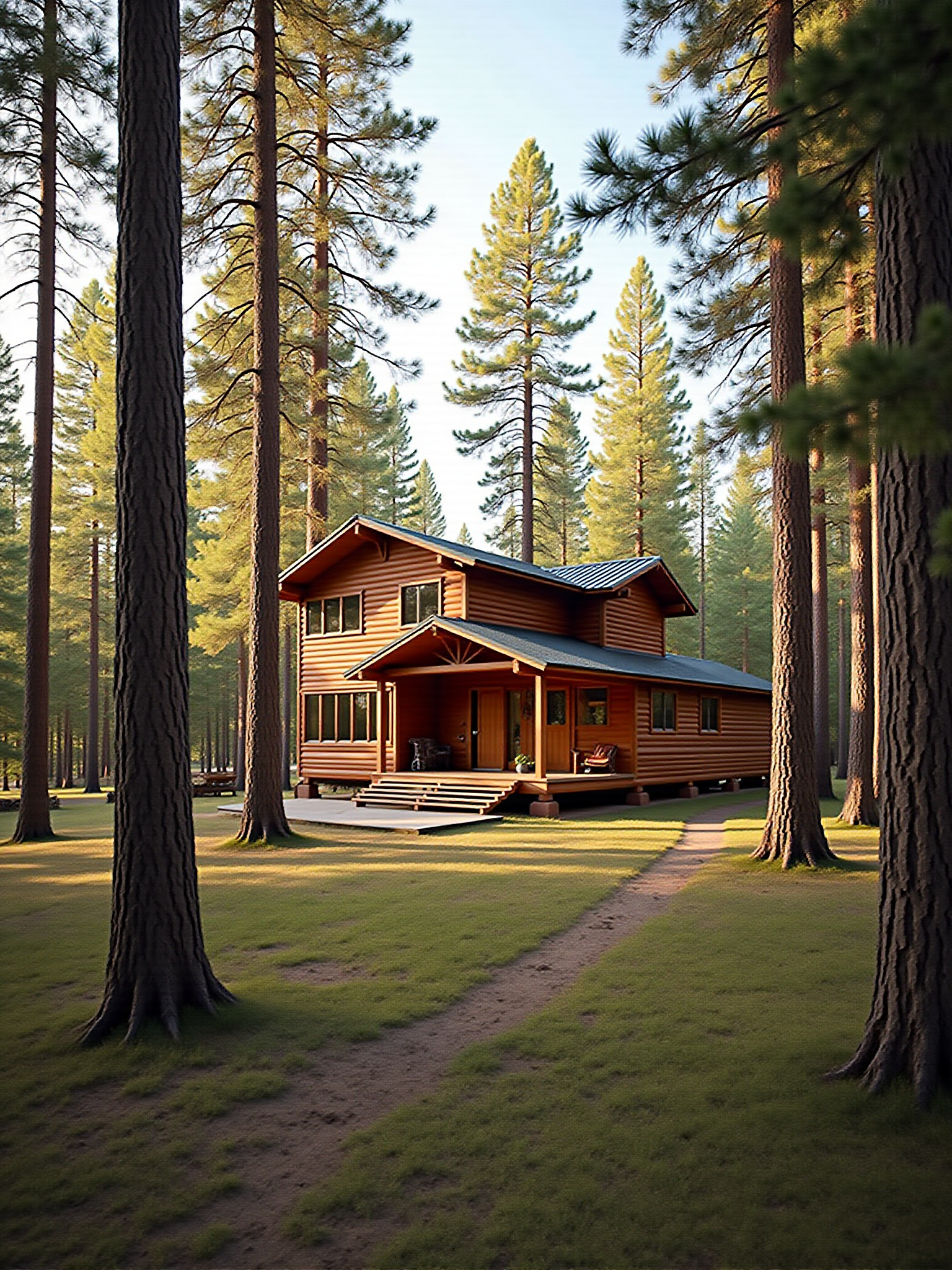

Log Cabin Maintenance Checklist
-
Gutters
-
Clean and ensure they discharge far away from the house. (Water management is #1)
-
2x/ Year
-
-
South/West Walls
-
Inspect finish for fading/peeling; re-coat if water stops beading up
-
Every 2-3 Years
-
-
Log Ends/Corners
-
Saturate with preservative/finish
-
Every 3 Years
-
-
Chinking/Caulk
-
Inspect for tears or gaps and spot-repair
-
Annually
-